THE UK's Met Office has issued a severe weather report for the Southport and Merseyside Region, confirming an extended period of dangerous heat. The 1st
Amber Warning has bern issued and comes into force tomorrow and remains active until:-
23:59, on:-
Tuesday, 23 June 2026. This will be seamlessly followed by a:- 2nd
Amber Warning that stays in place until:-
23:59, on:-
Thursday, 25 June 2026. Local forecasts indicate that daytime highs in Southport could reach 37°C by Thursday, creating exceptionally hot and humid conditions.
It is extraordinarily rare for the United Kingdom to experience this magnitude of heat. The last time the country faced temperatures this high and saw comparable extreme heat warnings was during the historic heatwave of:- July 2022, when a record breaking:- 40.3°C was verified at Coningsby in:- Lincolnshire. That event prompted a national emergency, and current meteorological models suggest the impending weather pattern brings a similar level of risk, exacerbated by the likelihood of tropical nights where temperatures will not drop below 20°C.
Public health officials and the Met Office urge residents to take immediate, proactive measures to safeguard their health. The primary directive is to:- "stay out of the sun and avoid all physical exercise" between:- 11 am and 3 pm, the window when solar radiation reaches its peak intensity. To prevent severe dehydration, heat exhaustion, and heatstroke, individuals must consume plenty of fluids throughout the day. At home, residents should close curtains on any windows facing the sun to minimise indoor heating. Whenever going outside is strictly necessary, applying a high factor sunscreen is essential to protect against severe ultraviolet damage.
Medical professionals warn that prolonged extreme heat places immense strain on the body, disproportionately affecting vulnerable demographics such as the elderly, infants, and those with pre-existing cardiovascular or respiratory conditions. The local community is strongly encouraged to check on neighbours and relatives frequently to ensure they remain cool and hydrated.
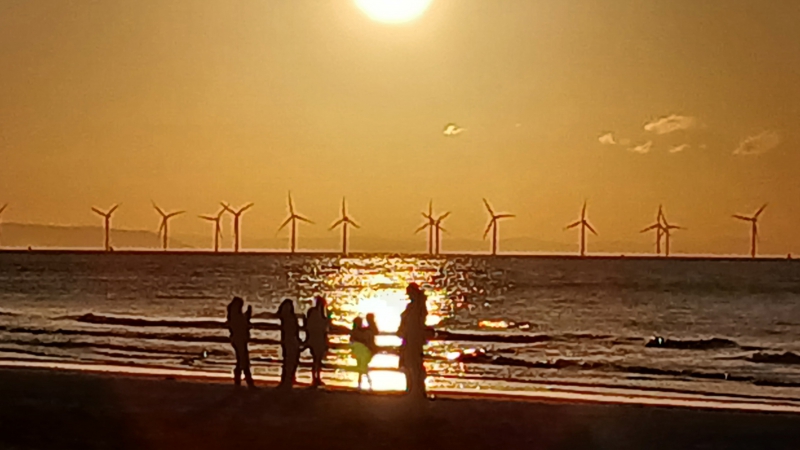
For Southport specifically, the combination of intense heat and the coastal geography presents unique local hazards. With large crowds expected to gather at Southport Beach and the promenade, local emergency services and transport networks face significant strain. Despite the sweltering air temperature, the Irish Sea remains dangerously cold. The Royal National Lifeboat Institution stresses that entering the water to cool down rapidly can induce cold water shock, leading to uncontrollable gasping and a severe risk of drowning. All visitors must exercise caution near the shoreline. Pet owners are also reminded that hot pavements cause devastating burns to animal paws and that pets must never be left in vehicles. Taking these vital precautions will help ensure the safety of the Southport community over the coming 3 days.
If heading to the Merseyside Coast, please remember to park sensibly and legally. Also, if you know anyone who is vulnerable, please check in on them.
First Aid Advice...
Signs of Heat Stroke
Heat stroke is a medical emergency that occurs when the body can no longer control its internal temperature. It usually happens when core body temperature reaches:- 40°C or higher, and it requires immediate medical attention to prevent severe complications.
Key Signs of Heat Stroke
Call emergency services on:- 111 or in an emergency call:- 999 immediately if you notice 1 or more of these severe symptoms:-
- High body temperature - A core temperature of:- 40°C or above.
- Altered behaviour or mental state - Confusion, agitation, slurred speech, irritability, delirium, or coma.
- Changes in sweating - In weather related heat stroke, skin will often feel hot and dry to the touch. In exercise-induced heat stroke, the skin may still feel slightly moist.
- Nausea and vomiting - Feeling violently sick or actively vomiting.
- Flushed skin - Skin may turn noticeably red as body temperature increases.
- Rapid breathing - Breathing often becomes fast and shallow.
- Racing heart rate - The pulse significantly increases because heat places a massive burden on the heart to cool the body.
- Neurological issues - Seizures, fainting, or total loss of consciousness.
Heat Exhaustion vs. Heat Stroke
Recognising the progression from heat exhaustion to heat stroke can save lives. Heat exhaustion requires cooling within 30 minutes; heat stroke requires immediate emergency intervention.
| Feature |
Heat Exhaustion |
Heat Stroke |
| Temperature |
Usually below 40°C |
40°C or higher |
| Skin |
Heavy sweating, pale, clammy |
Hot, red, dry (or damp if exercising) |
| Pulse |
Fast, weak pulse |
Fast, strong pulse |
| Mental State |
Normal, mild dizziness |
Confusion, loss of consciousness, seizures |
Immediate Action: If you suspect heat stroke, dial 999 immediately. Move the affected person to a cooler place, remove unnecessary clothing, and begin cooling them with whatever means available (cold water, ice packs, wet towels) while waiting for paramedics. Do not give them fluids to drink if they are not fully conscious.

Community Comments
No comments have been published yet. Be the first to share your thoughts!
Leave a Comment